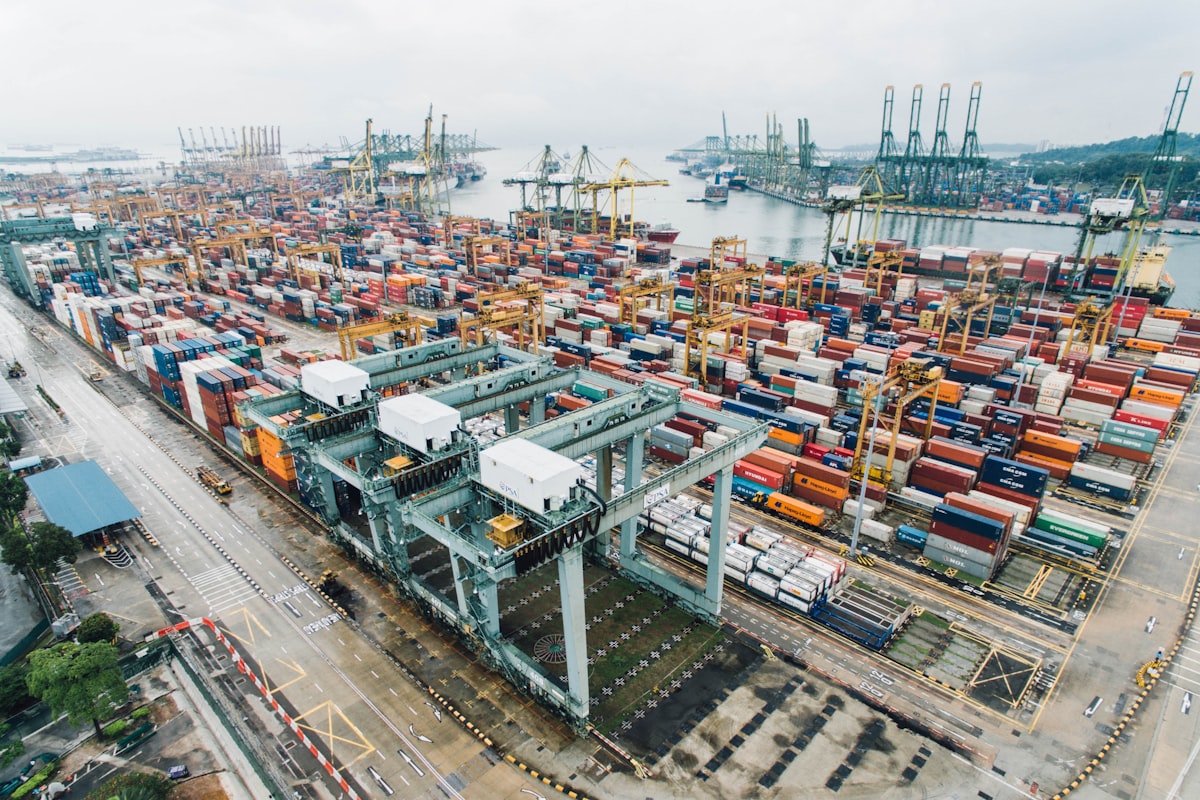
Yiwu International Trade City (义乌国际商贸城) is the largest small commodities wholesale market in the world. Spread across five districts with over 75,000 booths, it covers nearly every product category imaginable — from Christmas ornaments and stationery to hardware, textiles, and electronics accessories.
For global importers, Yiwu represents a unique opportunity: direct access to manufacturers and trading companies without the complexity of a factory-by-factory search. But navigating it effectively requires preparation.
Understanding the Market Structure
The Trade City is divided into five districts (Districts 1–5), each focused on specific product categories:
- District 1 — Jewelry, cosmetics, flowers, holiday goods, toys, hats, umbrellas
- District 2 — Hardware, electrical appliances, tools, locks, stationery
- District 3 — Sporting goods, leisure products, watches
- District 4 — Textiles, socks, scarves, gloves, fashion accessories
- District 5 — Imported goods, food, luxury replicas (new addition)
Each district operates Monday through Friday, 9am to 5pm. Some booths are open on Saturdays, but the market is generally quiet on weekends and during Chinese national holidays (Golden Week in early October and Chinese New Year in January/February are major closures).
Who You're Meeting at Yiwu
Most booth operators in Yiwu are trading companies, not manufacturers. They aggregate products from multiple factories and act as intermediaries. This is not inherently a problem — Yiwu trading companies often have strong factory relationships and quality control mechanisms — but it does mean:
- MOQs may be lower than going direct to a factory
- Lead times depend on the factory's production schedule
- Customization options may be limited without going direct
Some booths do represent manufacturers directly, particularly in textile and hardware categories. These are worth identifying if you plan high-volume or custom orders.
Pricing Dynamics
Quoted prices in Yiwu are almost never fixed. Negotiation is expected and accepted. Key principles:
Volume matters above all. A buyer ordering 1,000 units has entirely different leverage than one ordering 10,000. Always communicate your expected annual volume upfront, even if you're starting with a smaller trial order.
Cash payment terms improve pricing. Suppliers prefer T/T payment with a 30% deposit and balance before shipment. Offering to pay on better terms can unlock better prices.
Don't reveal your final destination early. Pricing sometimes varies based on where goods are being shipped. Get comparable quotes before revealing logistics details.
The first price is not the real price. Expect the initial quote to be 20–40% above where the supplier is willing to land. Patient, respectful negotiation is the norm.
What to Buy (and What to Avoid)
Strong for Yiwu
- Holiday and seasonal decorations (Christmas, Eid, Diwali items)
- Fashion accessories (bags, belts, scarves, hats)
- Basic stationery and office supplies
- Party supplies and event merchandise
- Promotional products and corporate gifts
- Basic textiles (socks, gloves, simple garments)
- Hardware tools and small appliances
Approach with Caution
- Anything requiring complex compliance documentation (electronics, children's toys, cosmetics) — verify certifications independently
- Products where brand authenticity matters — trademark violations are common
- Highly technical items where factory audit is essential
Sampling Process
Never place a production order at Yiwu without receiving and evaluating samples. The standard process:
- Identify supplier and agree on preliminary pricing
- Request product samples (you typically pay sample cost + courier fees)
- Evaluate samples against your specifications
- Request modifications if needed (this may involve a second round)
- Confirm final specification and place order
Budget 2–4 weeks for the sampling cycle, longer if multiple revision rounds are needed.
Logistics from Yiwu
Yiwu has a well-developed freight ecosystem. Most trading companies can assist with local trucking to the port of Ningbo (approximately 2 hours) or Shanghai (approximately 3.5 hours). From there, goods move internationally via sea or air freight.
Common routes:
- Yiwu → Ningbo Port → Europe (20–30 days sea freight)
- Yiwu → Shanghai Port → USA (25–35 days sea freight)
- Yiwu → Yiwu/Hangzhou Airport → Global (3–7 days air freight)
China-Europe rail freight is also available from Yiwu, which has its own international rail terminal (义乌至欧洲). This offers a middle ground between sea and air on cost and transit time for European destinations.
Language and Communication
The majority of Yiwu booth operators do not speak English fluently. Communication typically happens through:
- WeChat translation — rudimentary but functional for basic exchanges
- A local interpreter/agent — essential for complex negotiations or technical specifications
- A trade operations partner — the most effective approach for ongoing sourcing
If you're visiting Yiwu without a local partner, budgeting for a professional interpreter (approximately $100–200/day) is worthwhile for anything beyond basic price inquiries.
Common Pitfalls for First-Time Buyers
Ordering without samples. This is the single biggest mistake. No matter how convincing the booth display, always test the actual production sample.
Ignoring lead times. Yiwu suppliers quote production lead times that assume a clean order. Customization, packaging changes, or compliance certification can add weeks.
Underestimating freight costs. Get freight quotes before confirming your order pricing. A product that's competitively priced ex-factory may be uneconomical once freight, duties, and local delivery are added.
Visiting during major holidays. Golden Week (first week of October) and Chinese New Year (January/February) result in market closures of 1–2 weeks and factory shutdowns of 3–4 weeks. Plan your procurement calendar accordingly.
Working with a Local Partner
Given the language barrier, negotiation complexity, and logistics coordination involved, most serious importers working with Yiwu use an on-ground trade operations partner. This provides:
- Native-language negotiation capability
- Factory and booth qualification before you commit
- Pre-shipment inspection of goods
- Consolidated logistics management
Arivon Trade maintains a permanent presence in Yiwu specifically to support international buyers through the entire sourcing lifecycle — from initial supplier identification to pre-shipment inspection and freight arrangement.
Ready to source from Yiwu? Contact our Yiwu team for a consultation on your product requirements.